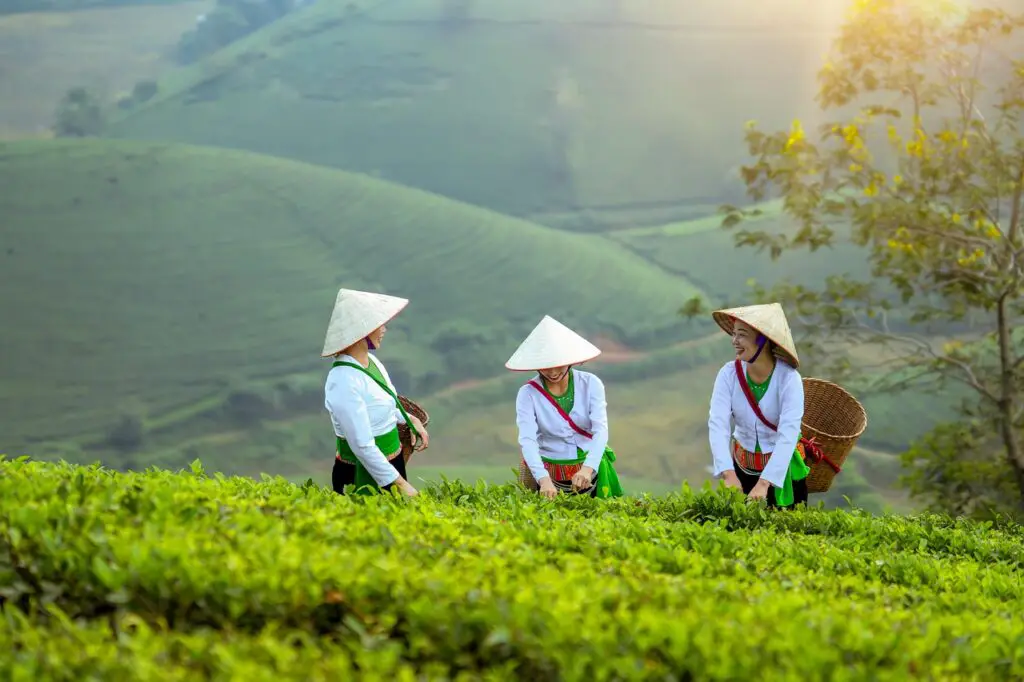
Vietnam, a country of breathtaking landscapes, rich cultural heritage, and vibrant cities, is a year-round destination that captivates travelers with its diversity. From the misty mountains of Sapa to the turquoise waters of Phu Quoc, Vietnam offers something for every type of traveler. However, choosing the best time to visit can significantly enhance your experience, as Vietnam’s climate varies greatly across its regions due to its elongated geography and tropical monsoon climate. This article explores the best month to visit Vietnam, considering weather patterns, cultural events, tourist crowds, and regional differences, to help you plan the perfect trip.
Understanding Vietnam’s Climate and Seasons
Vietnam stretches over 1,600 miles from north to south, resulting in distinct climatic zones: the northern, central, and southern regions. The country experiences a tropical monsoon climate, characterized by a wet season and a dry season, but the timing and intensity of these seasons differ by region. Broadly, Vietnam’s weather can be divided into:
- Northern Vietnam (Hanoi, Halong Bay, Sapa): Cooler winters (November to February) and hot, humid summers (June to August). The wet season typically runs from May to September, while the dry season spans October to April.
- Central Vietnam (Hue, Hoi An, Da Nang): A tropical climate with a pronounced wet season from September to December and a dry season from January to August. Coastal areas are prone to typhoons in late summer and early autumn.
- Southern Vietnam (Ho Chi Minh City, Mekong Delta, Phu Quoc): A more consistent tropical climate with a wet season from May to November and a dry season from December to April. Temperatures remain warm year-round, typically between 77°F and 95°F (25°C to 35°C).
These regional variations mean there’s no single “best” month to visit Vietnam as a whole, but certain months strike a balance for experiencing the country’s highlights with favorable weather and fewer crowds. Let’s dive into a month-by-month analysis to identify the optimal time for your visit.
Month-by-Month Breakdown
January
Weather: January is one of the best months to visit Vietnam, particularly for those exploring the entire country. In the north, Hanoi and Halong Bay experience cool, dry weather with temperatures ranging from 50°F to 68°F (10°C to 20°C). Sapa can be chilly, often dipping below 50°F, but the crisp air is ideal for trekking. Central Vietnam, including Hue and Hoi An, enjoys warm, dry conditions (68°F to 86°F or 20°C to 30°C), perfect for sightseeing. In the south, Ho Chi Minh City and Phu Quoc are in the peak of the dry season, with sunny skies and temperatures around 77°F to 90°F (25°C to 32°C).
Pros: Dry weather across most regions makes January ideal for outdoor activities like cruising Halong Bay, exploring Hoi An’s ancient town, or relaxing on Phu Quoc’s beaches. The cool northern temperatures are comfortable for city tours and hiking.
Cons: January is peak tourist season, especially around the Vietnamese Lunar New Year (Tet), which sometimes falls in late January. Expect higher hotel prices and crowded attractions, particularly in Hanoi and Ho Chi Minh City. Booking accommodations and transport in advance is essential.
Events: Tet, if it occurs in January, is a vibrant cultural experience with festive markets, dragon dances, and family gatherings. However, many businesses close, and travel costs spike.
February
Weather: Similar to January, February offers pleasant weather across Vietnam. The north remains cool and dry, with occasional fog in Halong Bay. Central Vietnam continues to enjoy warm, sunny days, while the south is hot and dry, perfect for beachgoers.
Pros: February is another excellent month for a countrywide trip. The weather supports a range of activities, from cycling in the Mekong Delta to exploring the temples of Hue. Post-Tet crowds thin out slightly, making it easier to secure bookings.
Cons: If Tet falls in February, expect the same challenges as January: higher costs and limited availability. Some northern areas, like Sapa, may still be cold for those unprepared for cooler temperatures.
Events: The Tet celebrations may extend into early February, offering a chance to experience Vietnam’s most significant cultural event. Local festivals in rural areas, such as flower markets, add charm.
March
Weather: March is often cited as one of the best months to visit Vietnam due to its transitional weather. In the north, temperatures rise slightly (59°F to 77°F or 15°C to 25°C), and the dry season persists, though occasional drizzle is possible. Central Vietnam remains warm and dry, ideal for coastal activities. The south continues its dry season, with sunny days and minimal humidity.
Pros: March offers a sweet spot of good weather and fewer crowds compared to January and February. It’s an excellent time for trekking in Sapa, cruising Halong Bay, or visiting the historic sites of Hoi An and Hue. Southern beaches like Phu Quoc and Con Dao are at their peak.
Cons: Toward late March, humidity begins to creep into the north, and the south can feel increasingly hot. Some rural areas may see early rains.
Events: The Perfume Pagoda Festival near Hanoi, a spiritual pilgrimage, draws locals and tourists alike, offering a glimpse into Vietnam’s Buddhist traditions.
April
Weather: April is another strong contender for the best month to visit. Northern Vietnam warms up (68°F to 86°F or 20°C to 30°C), with mostly dry conditions, though light showers may occur. Central Vietnam is in its dry season peak, with clear skies and warm temperatures. The south remains hot and dry, though the wet season approaches by late April.
Pros: Warm, pleasant weather makes April ideal for exploring both urban and rural areas. Halong Bay cruises and Sapa treks benefit from mild conditions, while central and southern beaches are perfect for relaxation.
Cons: Late April may see the onset of humidity in the south and occasional showers in the north. Popular destinations like Hoi An and Phu Quoc can still be busy.
Events: The Hung Kings Festival, typically in April, honors Vietnam’s legendary founders with ceremonies in Phu Tho province, offering a cultural highlight.
May
Weather: May marks the transition to the wet season in the south and parts of the north. Hanoi and Halong Bay see rising temperatures (77°F to 95°F or 25°C to 35°C) and increased humidity, with occasional rain. Central Vietnam remains relatively dry and warm, making it a highlight this month. The south experiences short, heavy showers, but sunny days are still common.
Pros: Central Vietnam, particularly Da Nang, Hoi An, and Hue, shines in May with ideal weather for sightseeing and beach activities. Fewer tourists visit compared to peak months, potentially lowering costs.
Cons: The north and south can be uncomfortably humid, and rain may disrupt outdoor plans. Sapa trekking can be challenging due to muddy trails.
Events: Buddha’s Birthday, celebrated in May, features lantern-lit processions and temple ceremonies, particularly in Hue.
June to August
Weather: These months mark the peak of the wet season in the north and south. Northern Vietnam experiences hot, humid weather (80°F to 95°F or 27°C to 35°C) with frequent downpours. Central Vietnam, however, remains a haven, with mostly dry and sunny conditions, though typhoons can occasionally hit the coast in August. The south sees daily rains, often in the afternoon, but sunny mornings are common.
Pros: Central Vietnam is the star during these months, with Hoi An, Da Nang, and Nha Trang offering sunny beach days and cultural exploration. Lower tourist numbers in the north and south can mean better deals on accommodations.
Cons: Heavy rain in the north and south can disrupt travel plans, particularly in rural areas like the Mekong Delta or Sapa. Typhoon risks increase in central coastal areas by August.
Events: Summer festivals, such as the Da Nang International Fireworks Festival (often in June or July), add excitement to central Vietnam visits.
September
Weather: September is the height of the wet season in central Vietnam, with heavy rains and a higher risk of typhoons in Hue, Hoi An, and Da Nang. The north sees a gradual easing of rain, though humidity remains high. The south continues its wet season, with frequent showers but manageable conditions.
Pros: The north, particularly Hanoi and Sapa, starts to see improving weather, ideal for cultural tours and trekking. Fewer tourists visit, offering a more relaxed experience.
Cons: Central Vietnam is largely off-limits due to heavy rain and potential flooding. Southern beaches may be less appealing due to unpredictable weather.
Events: The Mid-Autumn Festival, typically in September, brings mooncake stalls, lantern parades, and vibrant street celebrations, especially in Hanoi and Hoi An.
October
Weather: October is a transitional month, with the north enjoying cooler, drier weather (68°F to 86°F or 20°C to 30°C). Central Vietnam remains wet, with ongoing risks of typhoons and flooding. The south sees the tail end of the wet season, with showers becoming less frequent.
Pros: Northern Vietnam, including Hanoi, Halong Bay, and Sapa, is excellent for outdoor activities. The cooler temperatures and lower humidity make exploring comfortable.
Cons: Central Vietnam is best avoided due to unpredictable weather. Southern rains can still disrupt plans, particularly in the Mekong Delta.
Events: Local harvest festivals in northern rural areas offer authentic cultural experiences.
November
Weather: November is another top contender for the best month to visit Vietnam. The north enjoys cool, dry weather, perfect for sightseeing and trekking. Central Vietnam begins to dry out, though some rain lingers early in the month. The south transitions to the dry season, with warm, sunny days returning.
Pros: November offers excellent weather across most of Vietnam, making it ideal for a multi-region trip. Crowds are moderate, and the scenery, particularly in the north, is lush post-rainy season.
Cons: Early November may still see rain in central Vietnam, and popular destinations start to see increased tourist numbers as peak season approaches.
Events: The Oc Om Boc Festival in the Mekong Delta, typically in November, features boat races and vibrant Khmer cultural displays.
December
Weather: December brings cool, dry weather to the north (50°F to 68°F or 10°C to 20°C), warm and dry conditions to central Vietnam, and hot, sunny days to the south. It’s one of the best months for countrywide travel.
Pros: Excellent weather across all regions supports a variety of activities, from cultural tours in Hanoi to beach relaxation in Phu Quoc. The festive atmosphere around Christmas and New Year adds vibrancy to cities.
Cons: December is peak season, with higher prices and crowded attractions. Booking early is crucial.
Events: Christmas and New Year celebrations in major cities like Hanoi and Ho Chi Minh City attract both locals and tourists, with lively events and decorations.
The Verdict: Best Month to Visit Vietnam
After evaluating weather, crowds, and cultural events, March and November stand out as the best months to visit Vietnam for a well-rounded experience. These months offer:
- Favorable Weather: Both months provide dry, comfortable conditions across most regions, ideal for exploring the north (Hanoi, Halong Bay, Sapa), central (Hoi An, Hue, Da Nang), and southern (Ho Chi Minh City, Phu Quoc) areas.
- Moderate Crowds: Unlike January, February, and December, March and November see fewer tourists, making it easier to enjoy attractions without overwhelming crowds or inflated prices.
- Cultural Highlights: March features the Perfume Pagoda Festival, while November hosts the Oc Om Boc Festival, offering authentic cultural experiences.
If you’re planning a trip focused on central Vietnam, May is also an excellent choice due to its dry, sunny weather, particularly for beach destinations like Da Nang and Nha Trang. For those prioritizing northern Vietnam, October is a strong alternative for its cooler temperatures and post-rainy season greenery.
Tips for Planning Your Vietnam Trip
- Plan Regionally: If your itinerary spans multiple regions, aim for March, November, or April to maximize good weather across the country.
- Book Early for Peak Months: January, February, and December require advance bookings due to high demand, especially around Tet or holidays.
- Pack Accordingly: Bring lightweight clothing for the south, layers for the cooler north (especially in November to March), and rain gear if traveling during transitional months like May or October.
- Consider Shoulder Seasons: Months like April and October offer a balance of good weather and fewer crowds, ideal for budget-conscious travelers.
- Check Festival Dates: Aligning your visit with cultural events like Tet or the Mid-Autumn Festival can enrich your experience, but plan for potential closures and higher costs.
Conclusion
Vietnam’s diverse climate and cultural calendar make it a destination worth visiting year-round, but March and November offer the best balance of pleasant weather, manageable crowds, and vibrant cultural experiences. Whether you’re cruising through Halong Bay’s emerald waters, wandering Hoi An’s lantern-lit streets, or soaking up the sun on Phu Quoc’s beaches, these months provide optimal conditions for an unforgettable trip. By planning around regional weather patterns and key festivals, you can tailor your visit to suit your interests and make the most of Vietnam’s incredible offerings.